

Remember when “googling” meant sitting at a desk and typing into a search bar? Those days are fading fast. In 2026, the way we find local services has shifted from clicking links to having a conversation. Whether it’s Google Assistant on a phone, Amazon Alexa in the kitchen, or Apple Siri in the car, voice search is the new front door for local businesses.
If you want your business to be the answer when someone asks, “Hey Siri, where’s the best coffee near me?” Voice Search in Local SEO is the solution here!
What is Voice Search SEO?

Voice Search in Local SEO is the process of optimizing your online presence so that voice assistants can easily find, understand, and read your business information aloud. Unlike traditional SEO, which focuses on short, fragmented keywords (like “Mumbai plumber”), Voice Search in Local SEO is all about conversational search queries and delivering accurate local results.
Think about it: you don’t talk to a person the way you type into a search engine. Voice search is more natural, question-based, and longer. That’s why Voice Search in Local SEO focuses on understanding user intent and matching the way people actually speak when searching for nearby products, services, or businesses. Voice search optimization ensures your website speaks the same language as your customers, helping improve visibility, attract local traffic, and increase the chances of appearing in voice-assisted search results.
Why Voice Search Matters for Local Businesses
Is voice search important for local businesses? Absolutely. In fact, it’s becoming the primary way local customers find you. By 2026, over 65% of local searches are voice-activated.
- High Intent: People using voice search are usually ready to act. If someone asks Google Assistant for a “hardware store open now,” they are likely in their car and ready to buy.
- The “One Answer” Rule: Unlike a screen that shows ten results, a voice assistant usually only gives one answer. Voice search optimization for local businesses is the only way to ensure that one answer is yours.
- Hands-Free Convenience: Customers use voice while driving, cooking, or walking. If your business isn’t optimized for these “on-the-go” moments, you’re invisible to a huge chunk of the market.
How Voice Search is Changing Local SEO
In the past, SEO was a game of matching keywords. Today, local SEO voice search is a game of matching intent.
From Keywords to Conversations
Traditional searchers type “pizza delivery.” Voice searchers ask, “Where can I get gluten-free pizza delivered right now?” To align with the rise of conversational search, focus on creating content that sounds more human and provides deeper context.
The Rise of “Position Zero”
Voice assistants often pull their answers from featured snippets, the helpful boxes you see at the top of Google. To rank for voice search results, you need to provide clear, concise answers that Google can easily “clip” and read aloud.
Hyper-Local Accuracy
Local voice search optimization relies heavily on proximity. If your Google Business Profile (GBP) isn’t 100% accurate, Apple Siri might send a customer to your competitor just because their “Open Now” status is verified and yours isn’t.
How to Optimize for Voice Search
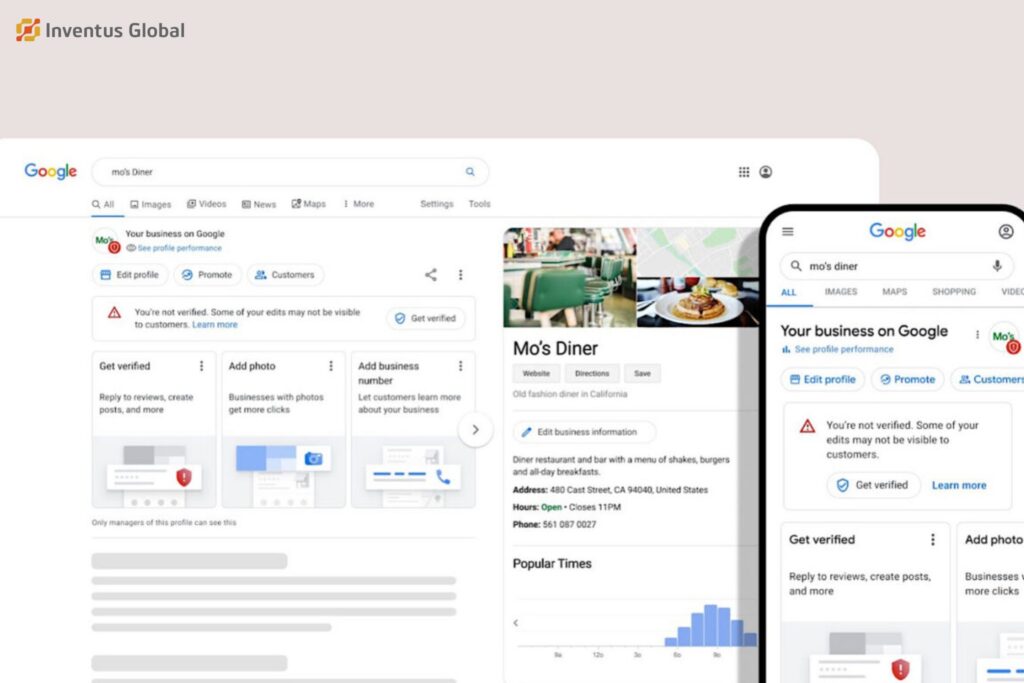
You don’t need a massive budget to win at voice search marketing. You just need to be smart about how you present your information.
1. Master Your Google Business Profile
This is the single most important step for Voice Search in Local SEO. Ensure your name, address, and phone number (NAP) are consistent across the web.
- Pro Tip: Use the Q&A feature in your GBP to answer common questions like “Do you have outdoor seating?” or “Is there free parking?”
2. Use Structured Data (Schema Markup)
View Schema as a translator that helps AI instantly understand your content’s context.It tells Amazon Alexa and other assistants exactly what your business does, your hours, and your location in a language they understand perfectly.
3. Focus on “Near Me” and “Open Now”
Since many voice searches are urgent, include these phrases naturally in your metadata and content. For example: “Looking for the best Italian food near me? Our downtown bistro is open now for dinner.”
Voice Search in Local SEO Tips for Local Businesses
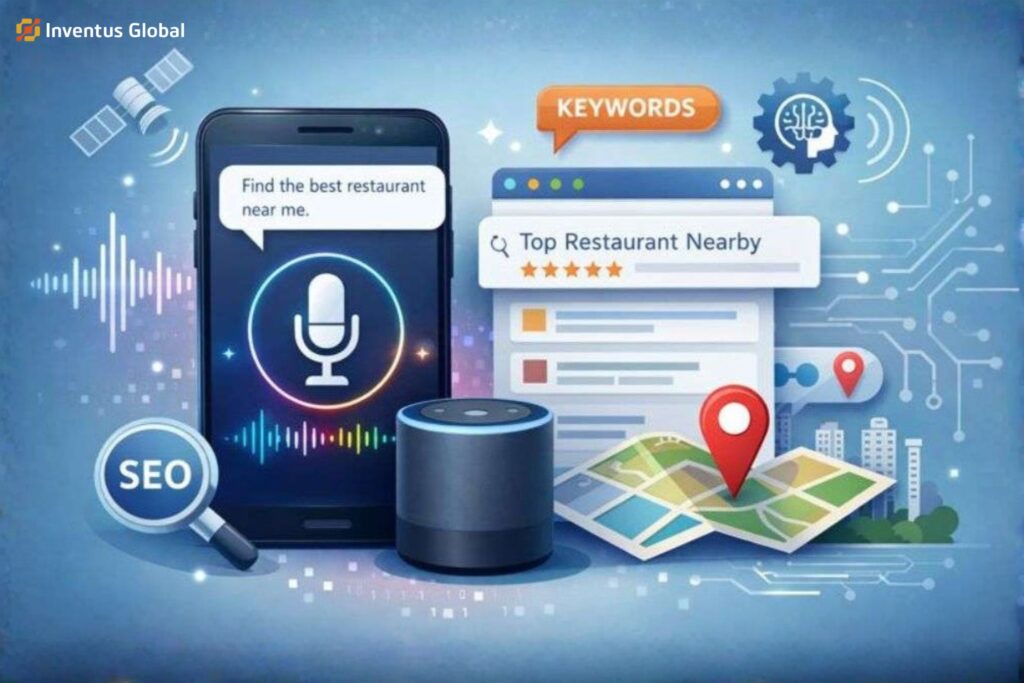
If you’re wondering how to optimize for voice search SEO on a daily basis, follow these practical voice search SEO tips for small businesses:
- Write Like You Talk: Avoid corporate jargon. Use a human, friendly tone in your blogs and service pages.
- Target Long-Tail Keywords: Instead of “Bakery,” target “Best sourdough bakery in [Your City].” These voice search ranking factors help you capture specific, high-intent traffic.
- Create an FAQ Page: This is a goldmine for voice search strategy. Each question should be an H2 header, followed by a direct, 40-60 word answer.
- Optimize for Mobile Speed: Most voice searches happen on mobile. If your site takes more than 3 seconds to load, the voice assistant will skip you.
Future of Voice Search and Local SEO
The voice search trends for 2026 and beyond point toward even more integration. We are moving into an era of “Agentic AI,” where Google Assistant or Apple Siri won’t just find a restaurant, they’ll book the table for you.
To stay ahead, your Voice search and SEO strategy must focus on Authority and Trust. AI models prefer to quote “experts.” By consistently updating your blog with helpful, local advice, you build the topical authority that voice assistants crave.
Pro Tip for Ranking
The “Speak-Aloud” Test: One of the most effective techniques for optimizing Voice Search in Local SEO is to read your content out loud before publishing it. Does it sound like something a real person would naturally say? If it feels clunky, overly formal, or robotic, rewrite it. Voice assistants are designed to understand conversational language and answer spoken queries, not keyword-stuffed sentences.
Since Voice Search in Local SEO relies heavily on natural, question-based searches, creating content that mirrors everyday speech can improve your chances of appearing in voice search results and connecting with local customers more effectively.
A strong local SEO strategy paired with an advanced business communication solution can significantly improve customer experience and lead conversions.
Frequently Asked Questions
-
What is voice search optimization for local SEO?
It is the process of tuning your online presence to rank for verbal queries made through assistants like Siri, Alexa, and Google Assistant. Unlike typed search, it focuses on natural language and location-based “near me” intent to help local customers find your business instantly.
-
How does voice search differ from traditional typed search?
Typed searches are usually short, fragmented keywords (e.g., “pizza NYC”). Voice searches are longer, more conversational, and typically phrased as full questions (e.g., “Hey Siri, where is the best pizza place near me open now?”).
-
Why is a Google Business Profile (GBP) critical for voice search?
Voice assistants often pull their primary data such as your address, phone number, and operating hours, directly from your Google Business Profile. An incomplete or unverified profile often means your business won’t be recommended in “near me” voice results.
-
What are conversational keywords?
Conversational keywords are long-tail phrases that mimic how people actually speak. They usually start with “who,” “what,” “where,” “when,” “why,” or “how,” targeting the specific way a user would ask a question out loud.
-
What role does page speed play in voice search rankings?
Voice searchers are typically on the go and expect immediate answers. Search engines prioritize websites that load in under 3 seconds. If your site is slow, voice assistants are likely to skip your content in favor of a faster competitor.
-
What is “Position Zero” and why does it matter?
Position Zero refers to Featured Snippets, the direct answers that appear at the very top of Google. Voice assistants often read only the top result aloud, so winning this spot is the ultimate goal for voice SEO.
-
How can I use Schema Markup for voice search?
Schema markup is a “translator” for search engines. Using Local Business and FAQ schema helps AI assistants understand exactly what your business does, where it is, and the specific questions your content answers.
-
Should I create a dedicated FAQ page for voice SEO?
Yes. A dedicated FAQ page is one of the most effective ways to capture voice traffic. By providing direct, concise answers (roughly 40–60 words) to common customer questions, you increase your chances of being the “spoken” answer.
-
Does my website need to be mobile-friendly for voice search?
Absolutely. The vast majority of voice searches happen on mobile devices. A mobile-responsive design ensures that once a user finds you via voice, they can actually navigate your site and convert.
-
How do online reviews affect voice search results?
Voice assistants prioritize businesses with high ratings and recent activity. Commands like “Find the best plumber” trigger an algorithm that filters for high star ratings and positive sentiment in your customer reviews.




No comment