
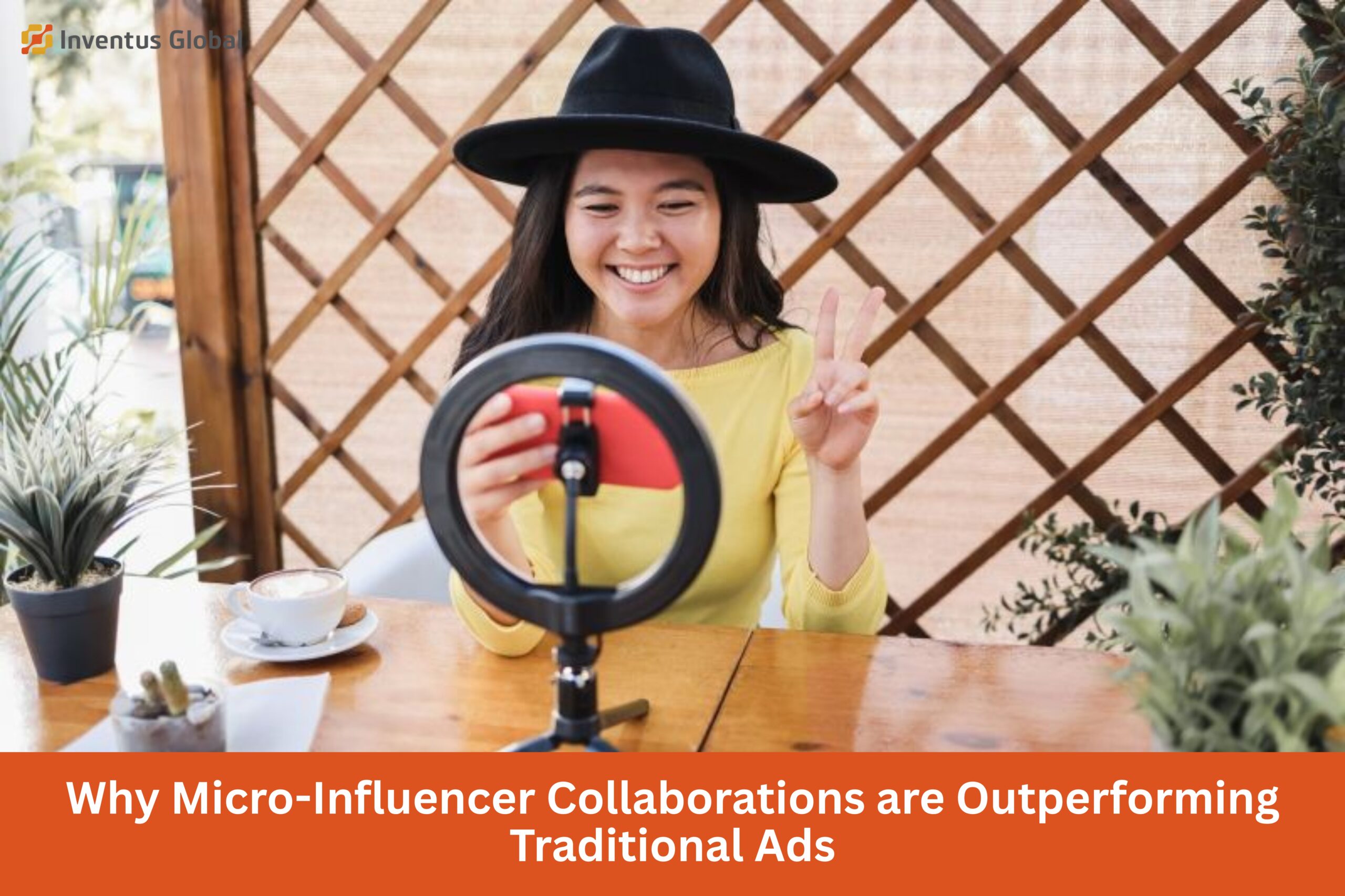
The marketing landscape of 2026 has officially decoupled from the “shout the loudest” era. As we navigate the competitive digital markets of Mumbai and beyond, a significant shift has occurred: micro-influencer vs traditional advertising ROI is no longer a debate, it is a settled reality. Brands are increasingly realizing that the high-gloss, high-budget world of conventional ads in 2026 is struggling to pierce through the noise of “ad blindness.” Instead, the spotlight has shifted to Micro-Influencer Collaborations, where creators with smaller, highly engaged followings offer something money can’t buy: genuine human connection, authenticity, and trust.
There are several reasons why micro-influencers are better than ads in the current ecosystem. While a massive billboard on the Western Express Highway or a prime-time TV slot might offer massive reach, they often lack the surgical precision required to drive conversions. In contrast, the benefits of micro-influencer collaborations lie in their ability to tap into hyper-niche communities. These influencers, typically boasting between 10,000 and 100,000 followers, act as trusted filters for their audience, delivering a trust-based marketing vs paid media advantage that traditional agencies simply cannot replicate.
Why Do Consumers Trust Micro-Influencers More Than Celebrities?
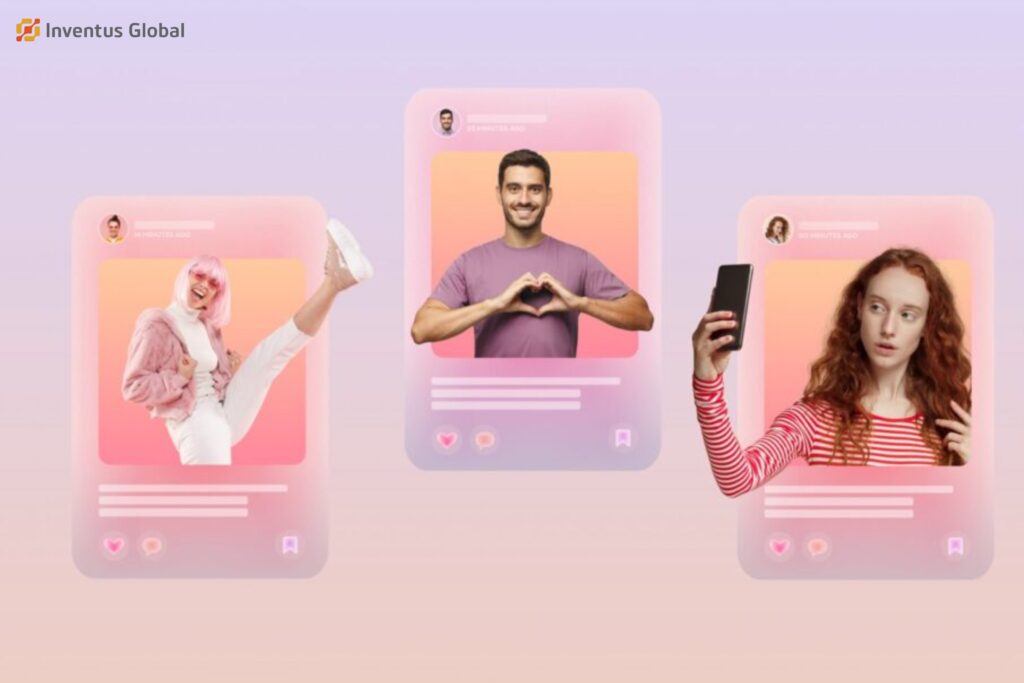
The psychology behind this shift is rooted in relatability. In 2026, “celebrity fatigue” is at an all-time high. Consumers no longer want to be sold a dream by a distant superstar; they want a recommendation from a “person like me.” Research shows that micro-influencers maintain significantly higher trust ratings than celebrity accounts because their content feels like a FaceTime call rather than a high-production commercial.
When a micro-influencer in Mumbai reviews a local skincare brand or a new tech gadget, their followers perceive it as advice from a knowledgeable friend. This “para-social bond” creates a safe space where engagement isn’t just a metric, it’s a conversation. Unlike celebrities who often jump from brand to brand, micro-influencers are more likely to engage in long-term partnerships, which builds stronger brand recall and credibility over time.
The Death of “Ad Blindness”

Traditional digital ads banners, pop-ups, and pre-rolls are facing a crisis. By 2026, the average consumer has developed a subconscious ability to ignore anything that looks like a “paid” interruption. Micro-influencers solve this by weaving products into their daily lives. Instead of a 30-second disruption, the product becomes part of a story. This organic integration is the primary reason why micro-influencers are better than ads; they don’t fight for attention, they already have it.
What is the Average ROI for Micro-Influencer Marketing in 2026?
The numbers tell a compelling story for any brand manager looking at the bottom line. What is the average ROI for micro-influencer marketing in 2026? In the Indian market, brands are seeing an average return of ₹5.50 to ₹6.00 for every ₹1 spent. In high-growth sectors like D2C fashion and health supplements, top-performing campaigns are reaching an ROI of ₹12 to ₹15 per rupee invested.
This vastly outperforms influencer marketing vs conventional ads 2026 benchmarks, where the cost of acquiring a customer through Google or Meta ads has skyrocketed. While a traditional ad might cost you ₹50,000 for a few thousand “cold” impressions, that same budget invested in a fleet of micro-influencers can generate hundreds of thousands of “warm” engagements and direct sales.
Are Traditional TV and Print Ads Still Effective Compared to Social Creators?

This brings us to a critical question for legacy brands: Are traditional TV and print ads still effective compared to social creators? The answer is increasingly “no” for the under-50 demographic. While traditional media still holds value for “population-scale awareness,” it is failing to capture the hearts of Gen Z and Millennials.
In Mumbai’s fast-paced lifestyle, social media creators have overtaken traditional media in ad revenue. The unidirectional nature of TV and print cannot compete with the interactive, measurable, and real-time feedback loops of social media. While a newspaper ad is static, a creator’s video is a living asset that can spark viral trends and drive immediate affiliate sales.
How to Repurpose Influencer Content for Paid Social Ads?
(Image: repurposing inhow to repuOne of the most overlooked advantages of these collaborations is “creative velocity.” Many brands ask: How to repurpose influencer content for paid social ads? In 2026, savvy marketers use Whitelisted Ads (or Spark Ads), where influencer-generated content (IGC) is run through the creator’s own handle with paid backing.
- Turn Reviews into “Thumb-Stoppers”: Use 15-second highlight clips of a creator using your product as the primary creative for Instagram Reels or youtube shorts.
- Social Proof in E-commerce: Embed creator testimonials directly onto your product pages to increase “add-to-cart” rates.
- Email & Newsletters: Use IGC as the hero image in your email campaigns to increase open rates.
The Shift Toward Trust-Based Marketing
The core of this evolution is the victory of trust-based marketing vs paid media. Consumers in 2026 are highly skeptical; most actively check for disclosures and value transparency. Micro-Influencer Collaborations thrive in this environment because creators are selective and authentic. When a creator rejects a deal because it doesn’t align with their values, their “trust equity” grows. For a brand operating in Mumbai, the goal is no longer just “reach.” It is “resonance.”
Frequently Asked Questions
-
Why should I choose 10 micro-influencers over 1 mega-influencer?
Ten micro-influencers provide diverse perspectives and tap into 10 different niche communities, usually resulting in a higher combined engagement rate and a more “organic” feel than one celebrity post.
-
Is influencer marketing only for B2C brands?
No. B2B influencer marketing is booming in 2026, with industry experts on LinkedIn and YouTube acting as micro-influencers for software, logistics, and professional services.
-
How do I measure the success of a micro-influencer campaign?
Look beyond likes. Track “Save” rates, link clicks (via UTM tags), and the “Sentiment” of the comment section to gauge true brand impact.
-
Can micro-influencer marketing work on a small budget?
Absolutely. One of the main benefits of micro-influencer collaborations is scalability. You can start with “gifting” campaigns or small performance-based fees rather than the massive upfront costs of conventional ads 2026.
-
Why are Micro-Influencer Collaborations more effective than traditional ads?
Micro-Influencer Collaborations often generate higher engagement because audiences view creators as authentic and relatable. Unlike traditional ads, influencer content feels more personal and trustworthy, leading to stronger customer connections.
-
How do Micro-Influencer Collaborations help improve brand trust?
Micro-Influencer Collaborations help brands build trust by leveraging creators who have strong relationships with their followers. Recommendations from trusted influencers are often perceived as genuine rather than promotional.
-
Are Micro-Influencer Collaborations suitable for local businesses?
Yes. Micro-Influencer Collaborations are especially effective for local businesses because influencers often have highly engaged audiences within specific geographic locations, making it easier to reach potential customers nearby.
-
What industries benefit the most from Micro-Influencer Collaborations?
Industries such as fashion, beauty, fitness, food, travel, technology, and even B2B services can benefit from Micro-Influencer Collaborations. The key is finding influencers whose audience aligns with your target market.
-
How can brands find the right partners for Micro-Influencer Collaborations?
Brands should evaluate audience demographics, engagement rates, content quality, and brand alignment. Successful Micro-Influencer Collaborations happen when the influencer’s values and audience match the brand’s goals.
-
What are the biggest trends shaping Micro-Influencer Collaborations in 2026?
In 2026, Micro-Influencer Collaborations are evolving through AI-powered influencer discovery, performance-based partnerships, user-generated content campaigns, and long-term brand ambassador programs that drive sustainable growth.





No comment