
Table of Contents
In today’s hyperconnected digital world, audiences no longer respond to marketing that feels mechanical or overly strategic. They crave authenticity — a sense of meaning that goes beyond a brand’s product line or profit margins. That’s why Brands with a Soul Outperform Brands with a Strategy they connect emotionally, inspire trust, and create communities rather than mere customers.
At Inventus Global, we’ve observed a dramatic shift: brands that lead with empathy, honesty, and purpose outperform those that rely solely on marketing playbooks. People are drawn to brands that mirror their own beliefs and values. Whether it’s a fashion brand advocating for sustainability or a tech company prioritising inclusivity, purpose-driven communication drives real engagement and long-term loyalty.
This evolution marks the rise of purpose-driven branding, a movement that combines meaning with marketing. It’s not about abandoning strategy but infusing it with soul, transforming the way brands speak, act, and build relationships. When emotion and ethics meet execution, brands don’t just sell, they matter.
1. Purpose-Driven Branding: The New Growth Engine
Purpose-driven branding isn’t a trend; it’s a transformation. Brands that define and live by a purpose are not only resonating with modern consumers but are also outperforming their competitors. When a brand’s vision aligns with real-world impact — such as sustainability, empowerment, or innovation — it becomes a magnet for conscious consumers.
A study by Deloitte found that over 60% of consumers prefer to purchase from brands that reflect their own values. That’s why brands like Patagonia, Dove, and TOMS continue to thrive. They’re built around causes, not campaigns.

A purpose-driven brand doesn’t chase trends; it sets them. The more clearly a brand communicates its purpose, the more easily audiences relate. This alignment forms the foundation for brand loyalty through purpose, where customers evolve into brand advocates because they see themselves in the story a brand tells.
2. Emotional Branding Strategies: Connecting Beyond Logic
In a marketplace flooded with data and digital ads, emotion cuts through the noise. Emotional branding strategies are the art of turning feelings into loyalty. When a brand taps into emotions like joy, nostalgia, or belonging, it creates a bond that logic can’t break.
Coca-Cola sells happiness, Nike sells motivation, and Apple sells creativity. They all use emotional cues to strengthen their brand positioning and elevate customer experience.
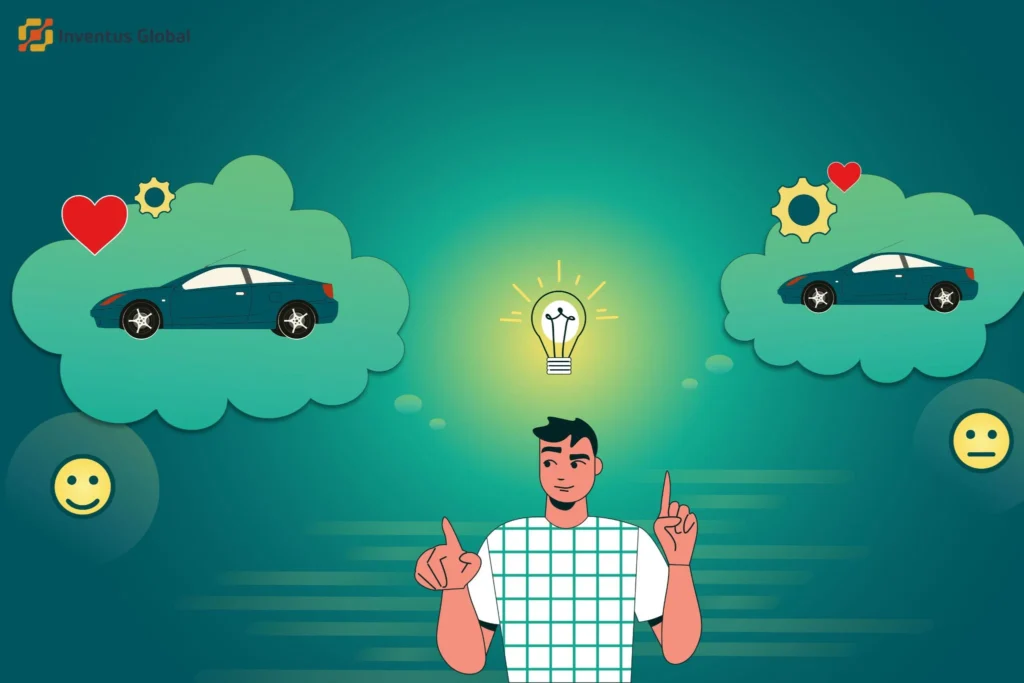
By implementing human-centric marketing, brands can craft experiences that feel personal and genuine. Instead of focusing on product features, they highlight the stories, struggles, and successes behind them. Emotional storytelling isn’t about exaggeration — it’s about truth wrapped in empathy.
3. Authentic Brand Communication: The Core of Trust
Trust is the cornerstone of every successful brand, and authentic brand communication is how that trust is built. Modern consumers can spot inauthenticity from miles away. They don’t want perfect; they want real.
Brands that communicate transparently — acknowledging mistakes, showcasing their teams, or revealing their behind-the-scenes processes — foster deeper loyalty. When messaging aligns with actions, credibility naturally follows.

At Inventus Global, we help brands uncover and express their authentic voice. By aligning core messaging with brand purpose, companies can create communication that resonates — not just converts. The future of marketing lies in honesty, not hype.
4. Brand Loyalty Through Purpose: Building Communities, Not Audiences
Brand loyalty through purpose goes beyond retention metrics; it’s about creating emotional ownership. When customers believe in what a brand stands for, they become part of its mission. Loyalty transforms from transaction-based to value-based.
Take Ben & Jerry’s, for example. Their advocacy for social justice, climate action, and equality makes people buy not just for taste — but for the message. They’ve built a community that participates, not just consumes.
By maintaining consistency between purpose and communication, brands encourage participation, not persuasion. This community-led growth model is the essence of values-driven branding — where people connect with shared ideals rather than discounts.
5. Human-Centric Marketing: Designing for People, Not Metrics
As automation and AI dominate marketing, human-centric marketing ensures that empathy stays at the centre of communication. It’s not about ignoring data but humanising it — understanding emotions behind numbers.
Brands adopting human-centric strategies use insights to enhance experiences rather than manipulate behaviour. Whether it’s personalised storytelling or community-driven initiatives, the goal is to treat audiences as humans first and leads second.
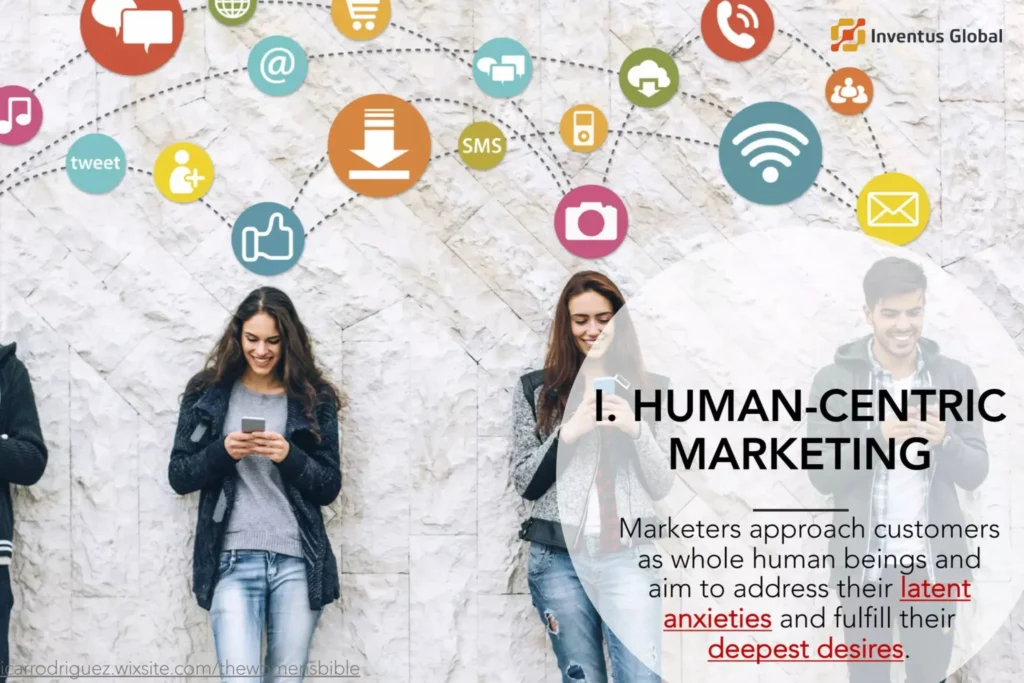
This approach also helps businesses refine their emotional branding strategies. By analysing customer journeys through a human lens, brands can design touchpoints that inspire delight and loyalty. After all, marketing that feels human, wins human hearts.
6. Values-Driven Branding: Turning Beliefs into Brand Equity
Values-driven branding transforms ideals into action. It’s not enough to declare values — brands must demonstrate them consistently. From fair-trade sourcing to ethical advertising, every touchpoint reflects a company’s moral DNA.
When businesses live their values, they attract both customers and employees who share their beliefs. This alignment creates internal culture strength, which in turn drives external trust. In the age of conscious consumerism, this authenticity becomes a competitive edge.
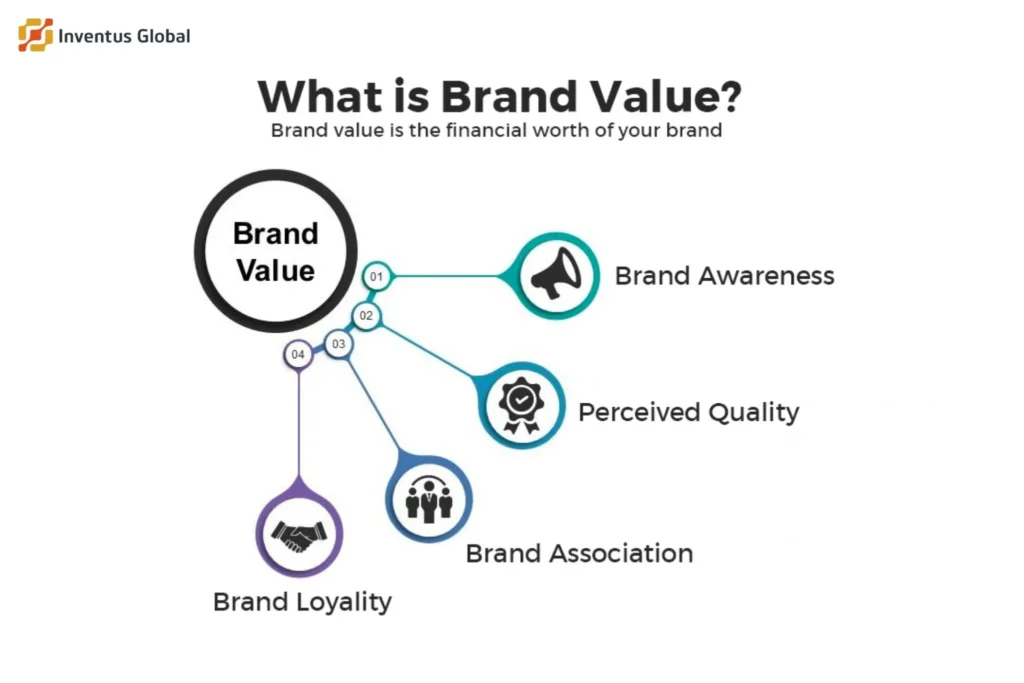
At Inventus Global, we help businesses translate their brand values into meaningful stories and visuals that connect. Because in 2025 and beyond, values aren’t optional — they’re a brand’s ultimate currency.
Conclusion: The Soul of Tomorrow’s Brands
To sum up, Brands with a Soul Outperform Brands with a Strategy because they make people feel. They don’t rely on manipulation or perfection — they rely on meaning.
The brands that will define the next decade are the ones that stand for something bigger than themselves. By embracing purpose-driven branding, cultivating emotional branding strategies, and communicating authentically, businesses will earn trust that no ad spend can buy.
As Inventus Global often says — strategy builds awareness, but soul builds legacy. The future belongs to brands that are brave enough to be human.
FAQs
What does “a brand with a soul” mean?
A brand with a soul operates with authenticity, purpose, and empathy. It focuses on human connection rather than just a profit-driven strategy.
How can brands build emotional connections with audiences?
Through emotional branding strategies, storytelling, and transparency. When communication feels human, audiences respond emotionally and stay loyal.
Why is purpose-driven branding important?
Because it gives brands a reason to exist beyond making money — aligning business actions with social, environmental, or cultural values.
What role does human-centric marketing play in brand success?
It ensures that technology-driven campaigns remain empathetic and relevant, making people feel seen, understood, and valued.
How can Inventus Global help brands become more authentic?
Inventus Global helps businesses define their brand purpose, create authentic communication strategies, and develop values-driven narratives that connect with modern audiences.


No comment