

Table of Contents
In today’s crowded digital marketplace, brands are in a constant battle for consumer attention. Ads are everywhere – on social media, streaming platforms, and even in the apps we use daily. But why do some campaigns linger in our minds while others fade within seconds? The answer lies in the power of stories. Storytelling Makes Ads More Memorable because it goes beyond product features and taps into the emotional core of human connection.
When an ad feels like a story, it creates familiarity and trust. From childhood, people are wired to remember narratives more than plain information. That’s why modern marketers and agencies like Inventus Global rely heavily on storytelling in advertising as a central tool for building stronger brand recall. Instead of just telling people what a product does, stories show how it fits into real life, evoking emotion and sparking lasting impressions.
As businesses search for ways to break through the noise, the use of emotional brand storytelling and story-driven marketing is no longer optional – it’s essential. Creative advertising techniques backed by strong narratives not only engage audiences but also inspire action. Let’s explore why stories leave such an impact and how brands can use them to craft more memorable ad strategies.
1. The Psychology of Why Ads Are Memorable
Humans process stories differently than raw data. A fact might be forgotten quickly, but a narrative attaches itself to emotions, experiences, and visuals. This explains why ads are memorable when they focus on storytelling. A strong narrative connects the product to values people care about like family, aspirations, or humor.
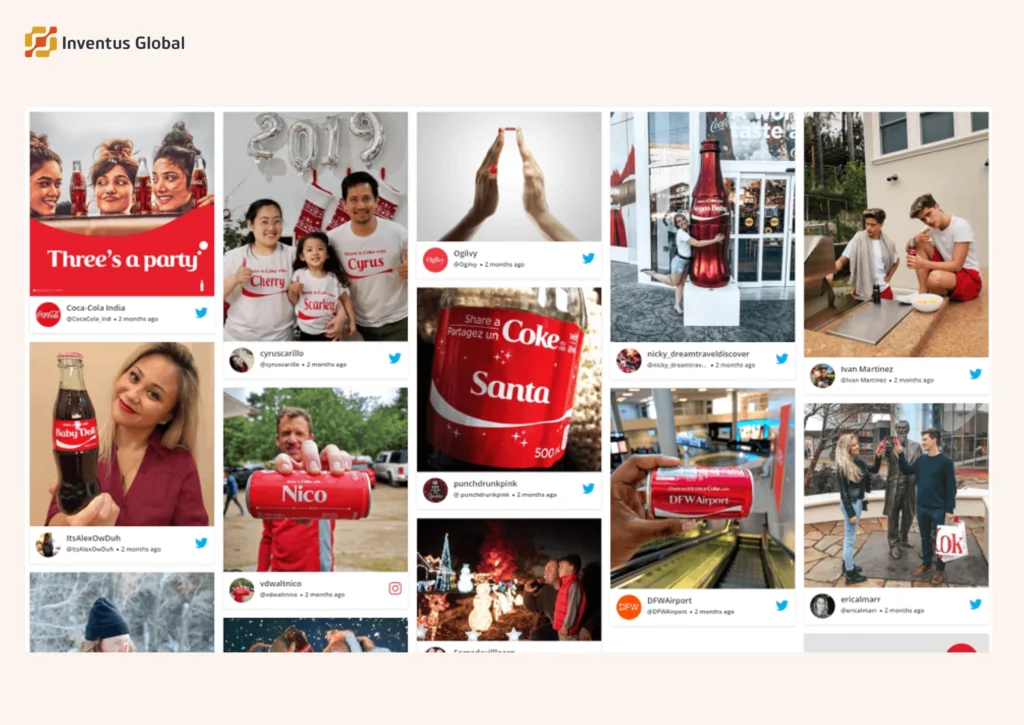
For example, think about Coca-Cola’s festive campaigns. It’s not the soda that people remember, but the warmth of family dinners, laughter, and holiday magic. This emotional context transforms the product from a beverage into an experience.

2. Storytelling in Advertising Builds Emotional Bridges
The heart of storytelling in advertising lies in creating a bond between the brand and its audience. Emotions are the gateway to memory – whether it’s joy, nostalgia, or even sadness. Campaigns that spark a feeling linger longer than campaigns that simply list features.
Consider Nike’s famous “Just Do It” campaigns. They don’t just showcase shoes – they tell stories of resilience, courage, and ordinary people achieving extraordinary things. That’s emotional brand storytelling in action.
3. Story-Driven Marketing Turns Viewers Into Participants
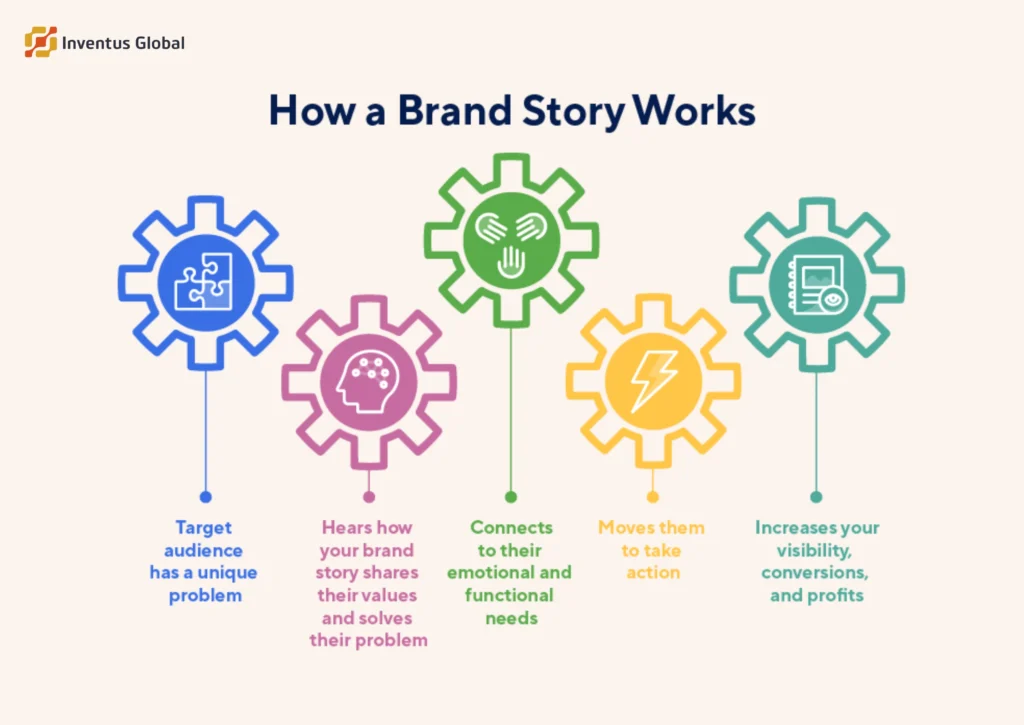
Story-driven marketing doesn’t just tell consumers about a product; it invites them to be part of the journey. When audiences feel included, they form stronger attachments to the brand. Whether it’s through interactive video ads or campaigns that mirror consumer lifestyles, story-driven marketing fosters deeper involvement.
Platforms like Instagram Reels and TikTok are ideal for this – brands encourage users to share their own stories tied to the campaign theme, amplifying reach. For instance, Dove’s “Real Beauty” campaign invited women worldwide to share personal stories, making it one of the most memorable ad strategies ever.
4. Creative Advertising Techniques Add Depth
A good story on its own is powerful, but paired with creative advertising techniques, it becomes unforgettable. Visual metaphors, clever animations, or even humor can elevate an ad beyond the ordinary. By layering creativity onto storytelling, brands can surprise audiences and make campaigns stand out.
Take Apple’s ads, for example. They rarely talk about technical specs – instead, they showcase how their devices fit into everyday life, framed in visually stunning, creative ways. That’s the perfect fusion of story and artistry.
5. Brand Storytelling Marketing Strengthens Identity
At its core, brand storytelling marketing isn’t just about ads – it’s about identity. A well-told brand story communicates purpose, values, and mission. This strengthens customer loyalty and distinguishes brands from competitors.
When consumers connect with a company’s larger narrative, they’re more likely to trust and support it. Inventus Global often emphasizes this to clients – when a brand communicates more than just features, it creates lifelong customer relationships.

6. Storytelling Supports Sales with a Clearer Journey
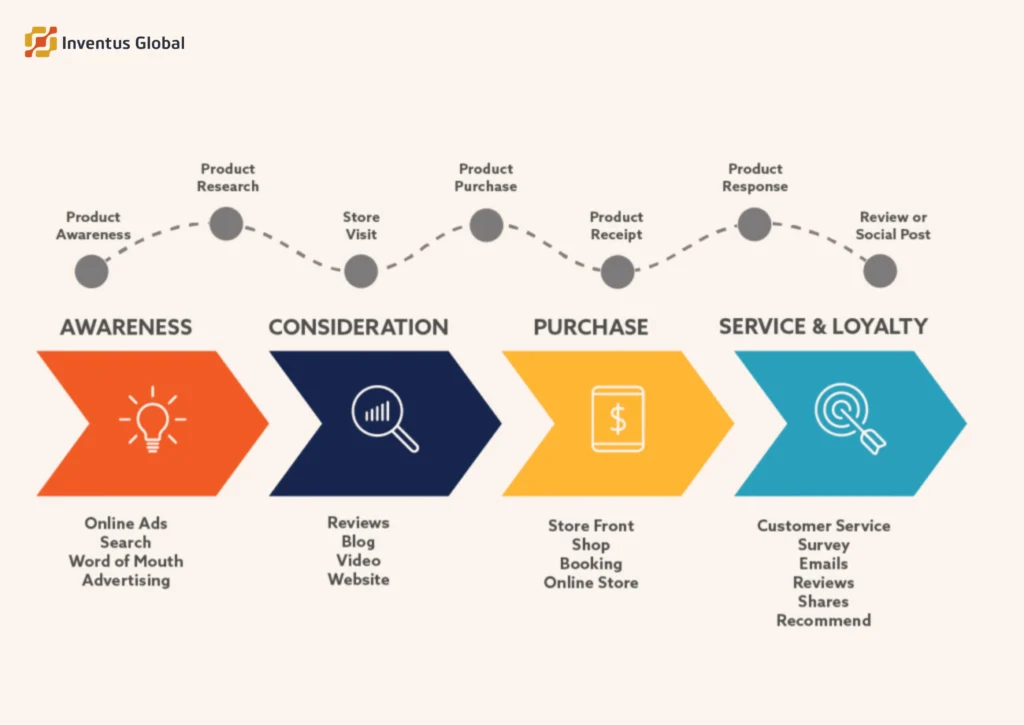
It’s not just about engagement – stories can also directly influence sales. By using storytelling in advertising, brands can guide customers through a natural buying journey. Stories simplify complex products, making them relatable and easy to understand.
For instance, an insurance company might find it hard to connect emotionally by only listing benefits. But through a story – like helping a family rebuild after a disaster the message resonates and drives conversions. This demonstrates the commercial power behind story-driven marketing.
7. Why Ads Are Memorable in the Digital Age
With short attention spans, the challenge today is not just reaching audiences but staying with them. Why ads are memorable in the digital era is because they combine data with storytelling. Personalized narratives built using insights from digital platforms make messages even more impactful.
This is where Inventus Global excels – helping businesses craft data-driven yet emotionally rich campaigns that capture attention in competitive spaces. By blending narrative with analytics, brands get the best of both worlds.
Conclusion
In a world overflowing with ads, it’s not the loudest brands that win, it’s the ones that tell the most compelling stories. Storytelling Makes Ads More Memorable because it taps into emotions, builds trust, and transforms ordinary messages into meaningful experiences. By integrating storytelling in advertising, emotional brand storytelling, and story-driven marketing, companies create more impactful campaigns that drive loyalty and sales.
As consumers crave authenticity, the role of stories will only grow stronger. With the right mix of creative advertising techniques and brand storytelling marketing, businesses can craft ads that not only catch the eye but also stay in the heart. Agencies like Inventus Global are proving that stories are no longer just a “nice touch” they’re the foundation of truly effective marketing.
FAQs
-
Why are stories more effective in ads than facts?
Stories activate emotions and memory, while facts are often forgotten quickly. This is why storytelling in advertising leads to stronger recall.
-
How does emotional brand storytelling influence purchase decisions?
It builds trust and empathy, making customers more likely to buy from a brand that aligns with their values.
-
What role do creative advertising techniques play in storytelling?
They make stories visually engaging, ensuring they stand out in competitive markets.
-
How can small businesses use story-driven marketing effectively?
They can share customer success stories, local community impact, or founder journeys to create relatability.
-
Is storytelling relevant for digital ads too?
Absolutely. In fact, storytelling makes ads more memorable in digital spaces where attention spans are short.







No comment