
Table of Contents
When we talk about successful marketing, most people think of creativity, catchy slogans, or visually stunning campaigns. While these are crucial, the real power often lies beneath the surface – in how our brains react to what we see and feel. That’s where the science of dopamine comes in. Dopamine Is the Secret Ingredient of Every Successful Campaign, and understanding it can completely transform how brands connect with their audience.
For businesses navigating today’s crowded digital marketplace, attention is harder to capture than ever before. Traditional strategies alone are no longer enough; what matters is creating experiences that light up the brain’s reward system. Companies like Inventus Global are leading the way by blending dopamine marketing with practical digital tools to design campaigns that not only grab attention but also leave a lasting impression.
In this blog, we’ll explore how dopamine works in advertising, the role of neuromarketing strategies, and why tapping into emotional marketing triggers is no longer optional. You’ll also see how consumer brain response marketing drives brand loyalty, and how you can use these insights to ensure your campaigns resonate at a deeper, psychological level.
The Science of Dopamine in Marketing
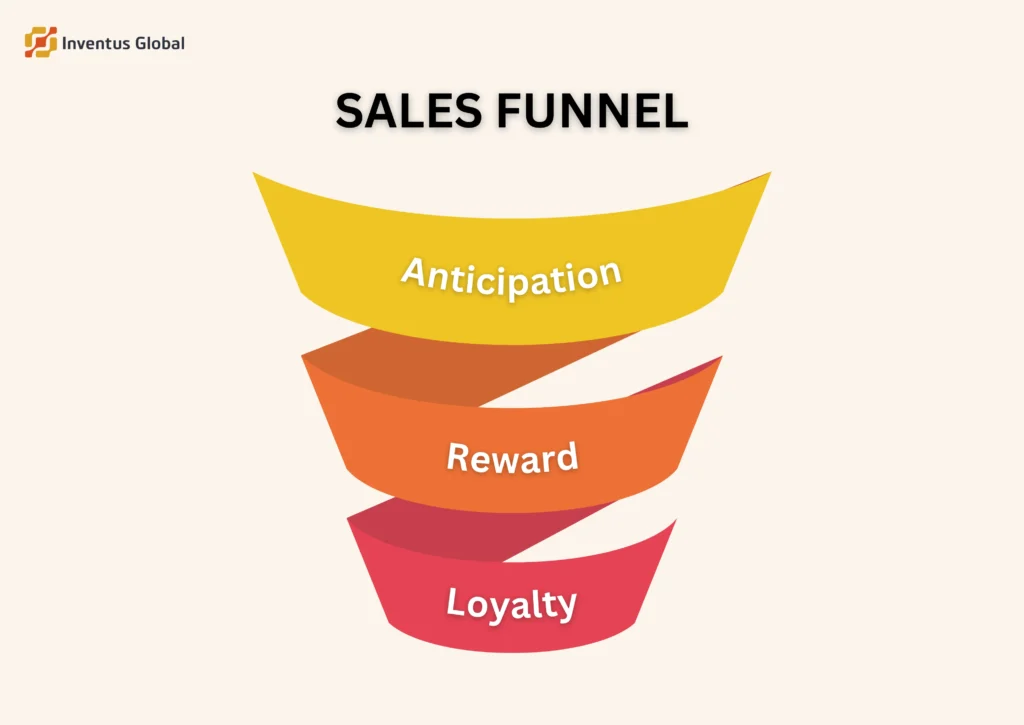
Dopamine is often called the “feel-good neurotransmitter,” but in marketing, it’s more accurately the “anticipation molecule.” It fires when people expect a reward, making it a powerful motivator in buying behavior. When a campaign excites this anticipation — whether it’s through discounts, exclusivity, or storytelling – the consumer becomes more likely to act.
This is why dopamine in advertising is so powerful. Every time you create an experience that sparks curiosity or excitement, you encourage your audience to associate your brand with pleasure and reward. And when brands pair this understanding with psychology in marketing campaigns, they move from simply selling products to creating emotional experiences.
Neuromarketing Strategies: Turning Science into Sales
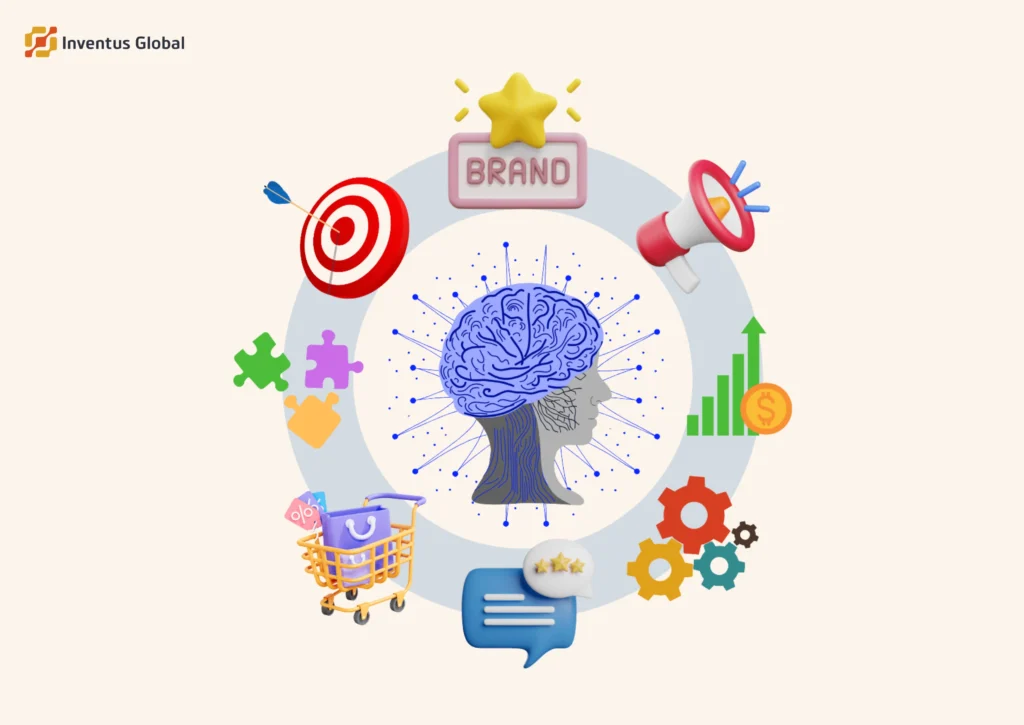
Neuromarketing strategies are designed to study how consumers react to marketing stimuli, using tools like eye tracking, brain scans, and biometric responses. The goal is to identify what truly grabs attention and what triggers a purchase decision.
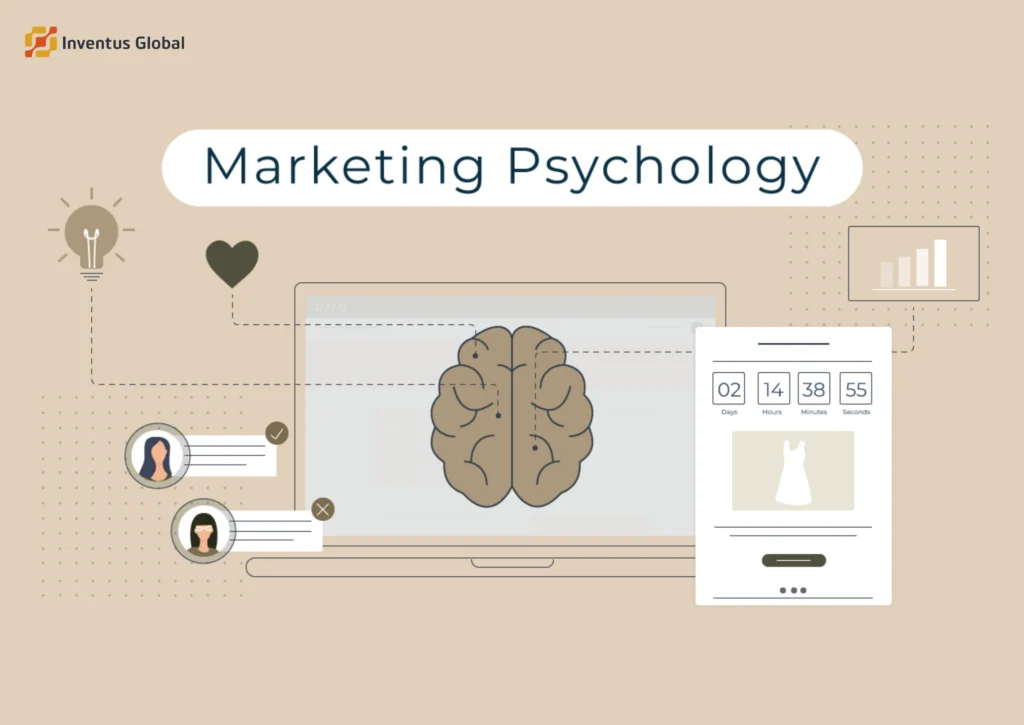
For example, countdown timers in e-commerce are not just gimmicks; they play directly into dopamine’s anticipation response. Likewise, gamified loyalty programs or interactive ads drive higher engagement because they keep the consumer’s brain in a state of “reward expectation.”
At Inventus Global, these approaches are not abstract theories — they’re applied practices. By combining cloud-based campaign tools with the psychology of anticipation, Inventus helps businesses tap into the subconscious motivations that traditional marketing often misses.
Emotional Marketing Triggers That Make Campaigns Stick
Humans don’t make purely rational decisions; emotions dominate. Successful campaigns leverage emotional marketing triggers like joy, belonging, or even fear of missing out (FOMO) to create a response that feels personal. When dopamine is tied to these emotional triggers, the result is a campaign that’s unforgettable.
Think of viral campaigns like Apple product launches. The excitement leading up to them creates dopamine-fueled anticipation. That emotional rush then translates into record-breaking sales and queues outside stores worldwide.
By blending dopamine marketing with emotional marketing triggers, brands craft not just ads but experiences. And in today’s market, experiences win attention far more effectively than features alone.
Image suggestion: Side-by-side images showing an emotional reaction (smiling face, excitement) linked with a product ad.

Psychology in Marketing Campaigns: The Hidden Influence
Marketing involves both creativity and psychology. By studying the psychology in marketing campaigns, brands can understand what makes consumers feel valued, excited, or even nostalgic. Dopamine plays a central role here by amplifying these emotions and linking them to brand experiences.
The use of storytelling is a classic example. Stories tap into emotions, engage memory, and trigger dopamine responses that make the message “stick.” That’s why a heartfelt campaign about community or sustainability often outperforms straightforward product advertising.
Marketers who leverage psychology understand they’re not just selling to wallets but to minds and hearts — and dopamine is the key to both.
Consumer Brain Response Marketing: Why It Works
Understanding consumer brain response marketing is crucial for designing campaigns that aren’t just seen but remembered. Studies show that ads activating the brain’s reward system have higher recall and greater influence on purchasing behavior.
When a consumer feels rewarded by engaging with a campaign, their brain associates that brand with positivity. Over time, this builds loyalty. That’s why campaigns that use interactive polls, instant rewards, or gamified content perform so well – they make the consumer feel like part of the brand journey.
Ottocall applies this principle when advising clients: create campaigns that are less about one-way communication and more about two-way engagement, keeping the consumer’s brain involved at every step.
Image suggestion: A chart showing brain scans lighting up in response to marketing stimuli like rewards and exclusivity.
Dopamine and Brand Loyalty
Brand loyalty is often the result of repeated positive experiences — and dopamine is the bridge that makes those experiences memorable. Every time a customer interacts with your brand and feels rewarded, the bond strengthens. Over time, this leads to habitual engagement and repeat purchases.
Campaigns that focus on dopamine and brand loyalty often include surprise rewards, recognition systems, or even exclusive communities where customers feel valued. By sparking small doses of dopamine consistently, brands can nurture long-term loyalty far beyond the initial sale.
This is where sales force automation in CRM and crm software for sales management play an important role. With these tools, companies can track customer interactions and ensure that every touchpoint delivers consistent value, reinforcing loyalty over time.
Practical Steps for Using Dopamine in Campaigns
Now that we understand the theory, how do businesses put it into action? Here are some ways:
- Gamify Experiences – Add challenges, rewards, and badges to campaigns.
- Personalize Interactions – Use CRM software integration to tailor messages based on behavior.
- Leverage Anticipation – Create countdowns, sneak peeks, and limited releases.
- Use Storytelling – Narratives tap into deep emotional triggers.
- Track Results – With crm development services, monitor which triggers perform best.
When brands apply these tactics with consistency, the impact on sales, retention, and overall ROI is significant.
Conclusion
The modern marketing landscape is not just about visibility; it’s about connection. Dopamine Is the Secret Ingredient of Every Successful Campaign because it directly links emotion to action, anticipation to loyalty, and brand messaging to consumer memory.
By incorporating dopamine marketing, neuromarketing strategies, and psychology in marketing campaigns, brands create experiences that go beyond products. They create memories. Companies like Inventus Global are at the forefront of this transformation, guiding businesses to build campaigns that resonate at a neurological and emotional level.
The takeaway? Don’t just aim for clicks and impressions – aim for dopamine. That’s how you turn campaigns into movements, and customers into lifelong advocates.
FAQs
How does dopamine influence marketing campaigns?
Dopamine fuels anticipation and reward, making consumers more likely to engage with and remember campaigns.
What are some examples of dopamine in advertising?
Countdown timers, gamified loyalty programs, and sneak previews are classic dopamine-based triggers.
How do neuromarketing strategies use dopamine?
They track brain responses to stimuli, helping marketers design campaigns that maximize anticipation and engagement.
Can dopamine boost brand loyalty?
Yes, consistent positive experiences that trigger dopamine help build strong, long-term brand relationships.
How can businesses implement this approach effectively?
By combining crm software integration, storytelling, and emotional triggers with modern tools like cloud CRM solutions and simple lead management systems.





No comment